Services
Climate and Nature Emergency Information
Information about the climate and nature emergency
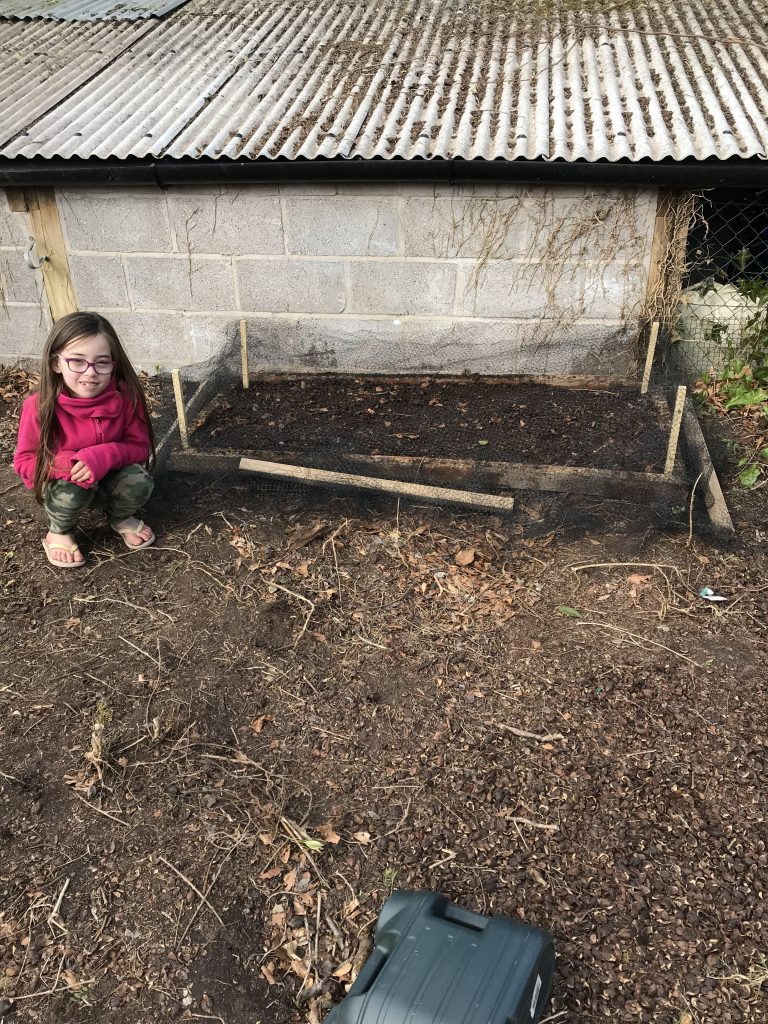
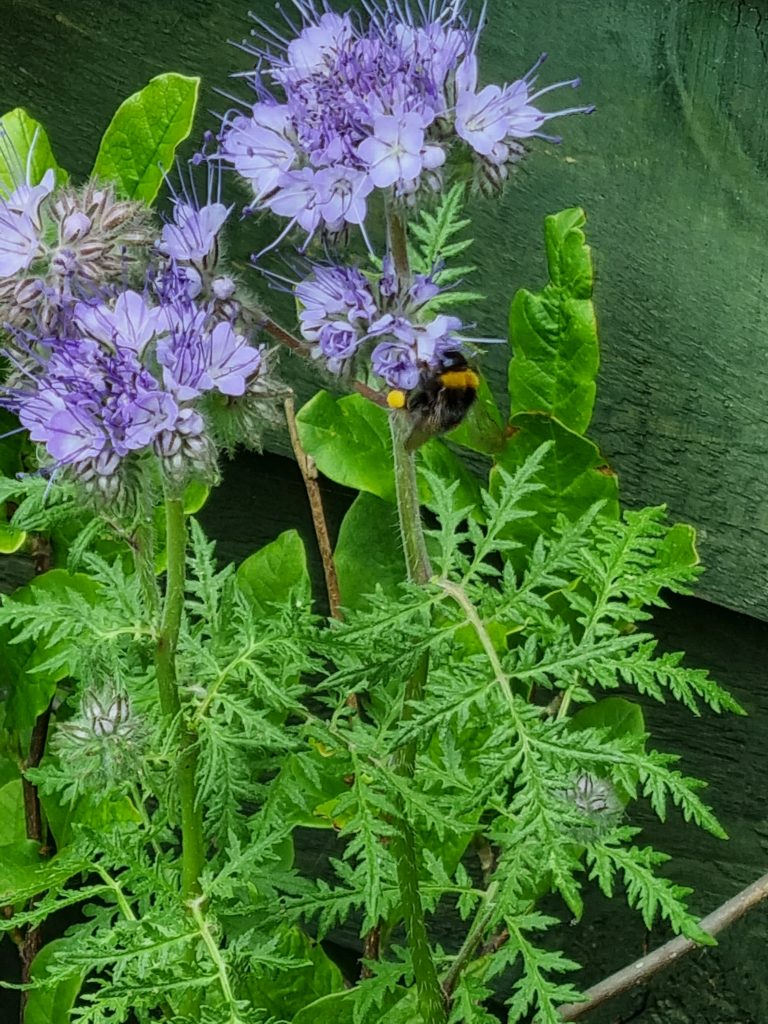
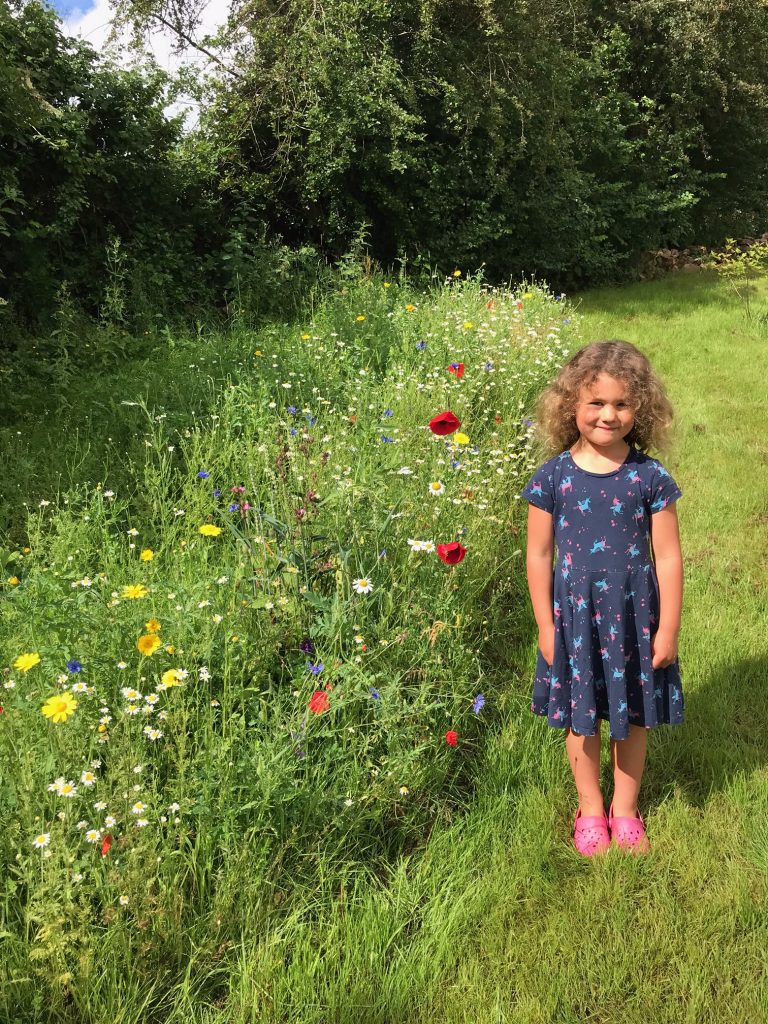

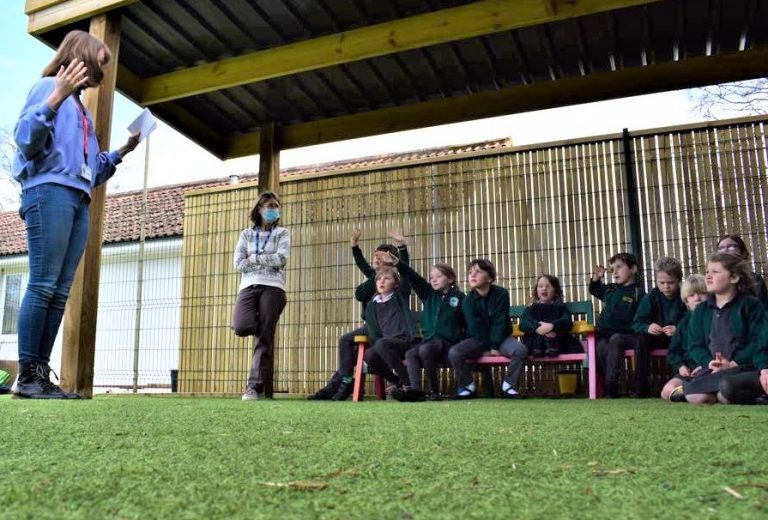
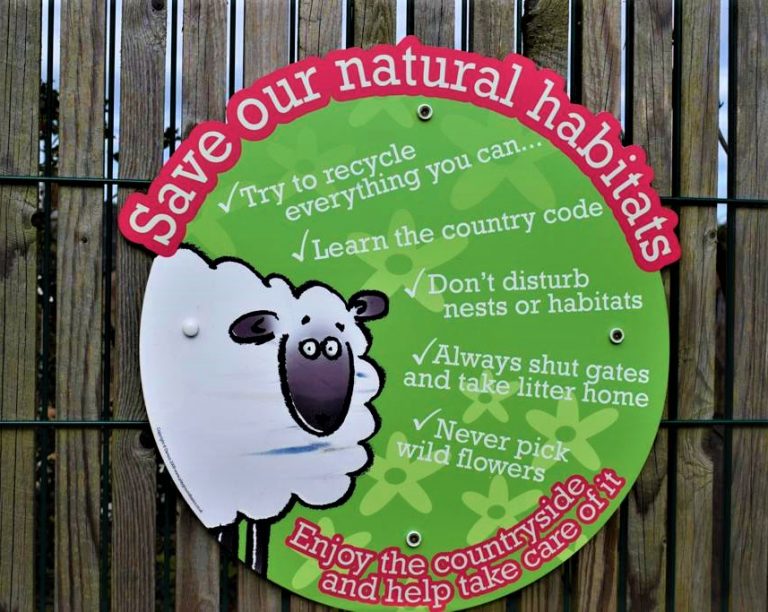
And so it began.
At its meeting on 17.9.2019, East Harptree Parish Council declared a Climate & Nature Emergency in line with the declaration made by Bath & North East Somerset Council. As a direct result the parish council voted to set up its own C&NE Working Group to work together to advise the council on ways in which parishioners and the council could join forces to combat the harmful effects of Climate Change. This working group included volunteer parishioners, who together brought a huge degree of experience and expertise, both professionally and via their special interests, to the task in hand.
Despite the Coronavirus pandemic, members of the group worked together to investigate ways in which parishioners could adapt their life behaviour individually and as a community and how the PC, within its responsibilities, could support those changes. The PC promised to publish their findings in full when completed. Topic areas were prioritized and interim and full reports were written for both the council and our wider community to access and hopefully, to act upon.
Five Topics= Real changes.
The group identified five main priority areas which formed the basis of their reports and would in each case potentially affect all our lives. These reports make fascinating and exciting reading, but they are not published here just to read. They form the basis of a much bigger conversation within our community and it is up to the parish, as a whole to get involved. It is time for us all to take this knowledge and use it to make the changes that will safeguard all our futures.
Some of the recommendations in the reports may well be part of your everyday life already, but if not then please do click on the links above or on the side panel for the topic that most interests you and find out more.
Energy and Heat
The road to Net zero carbon
Our use of energy generates by far the largest source of greenhouse gas emissions from human activities. Reducing our personal and community energy demand and increasing use of clean, non-carbon derived energy to power, heat and cool our buildings are urgent priorities for tackling the climate and nature emergency.
Homes and non-domestic buildings in Bath and North East Somerset together create over two thirds of the District’s carbon footprint. Bath and North East Somerset Council has declared the ambitious aim of ‘carbon neutral B&NES by 2030’. Part of its strategy is to ensure that all new buildings will be net zero carbon, in both construction and operation, and that existing buildings will be retrofitted with measures like insultation to help to reduce energy demand and costs. Alongside the strategy to reduce energy consumption, the Council is also planning rapid and large-scale increases in local renewable energy generation.
While B&NES Council has set out a path to decarbonise the district, the practicalities of reducing our energy demand to net zero cannot be done without concerted action at all levels of society; by government, service providers, the business sector, local communities, and by us as consumers making fundamental changes in our personal behaviour and choices.
REPORT TO EAST HARPTREE PARISH COUNCIL
The Parish Council Climate and Nature Emergency Working Group has produced a report that examines how the energy and heat transition will affect East Harptree, and how we can respond. The report identifies specific actions that can be taken by the Parish Council, like using its leadership role to encourage household energy efficiency, and its planning consultation powers to secure clean energy measures in all new development. Ways in which the parish can harness opportunities for local benefit from the energy transition are explored, such as promoting local renewable energy generation, storage and purchase schemes for our community. Recognising that some choices and actions are not straightforward, the report identifies specialist agencies who can help the Parish Council, residents and businesses to deal with the technical complexities of moving from traditional fossil fuel derived power sources to a system that relies on clean, zero carbon, energy.
The East Harptree Parish Council Climate & Nature Emergency Working Group (C&NEWG) Energy and Heat Report can be read here. For further information please contact bernicegroberts@gmail.com
Food
Please see the report below
Waste & Recycling
Managing and Reducing our waste
Good news story?
As a community, EH Parishioners can be justly proud of the considerable changes that we have all made in our recycling behaviour over the past years. Add to that the growing trend in sharing and repairing of goods and one might say we are doing well. Now we need to build on this success by reducing and preventing the waste we create in the first place.
If you want to understand the detail behind this then why not read the Waste and Recycling Report
And here is a taster.
Think for a moment about something you have bought in the last month. What were all the processes involved in producing this item? How much land, water, plastic and travel miles were used up, how many chemicals consumed? Could you have chosen something that wasted less, how much did you need it?
Reducing waste is not just good for the planet it is often also a way of saving money.
Some things we can change individually, for others we need to come together as a community. The Waste and Recycling Report shows a way forward. Have a read and be part of the good news story over the next 10 years.
Transport
Transport emissions make up 32% of the carbon footprint in B&NES, and that makes it one of the areas where any changes we make can have the biggest impact on protecting the planet.
Living in a rural community this is particularly challenging, as public transport is scarce and individual and household needs are complex. The COVID pandemic has also changed our patterns of work and leisure and perhaps shown some of the benefits of fewer vehicles and planes in the sky, and of walking, running and cycling on our lanes and footpaths.
The EH C&NEWG Transport Report details some of the challenges we face and outlines the B&NES vision for decarbonising transport. You can see the outcomes of a recent survey about safe walking routes to school and some proposals about what we could do next to improve this situation. How would the village look if we really supported active travel (walking & cycling) and safe pedestrian walkways to key parts of the village? How can this be balanced with various other transport needs?
The report recommends a Parish-wide consultation including the chance to hear from different ‘stakeholder’ groups to identify needs and the potential for change and invites the Parish to create a Transport Strategy where the needs of parishioners and the planet are embedded in its logic. It also recommends a cross-parish approach to improving public & shared transport, something which is already underway via the Chew Valley Area Forum Climate & Nature Emergency Working Group.
In ten years’ time how might things be different? One thing we do know is there will be no new petrol cars in the village as Government Policy has outlawed production by 2030. Let’s work together to think about how we can move forward.
Electric vehicles
Publicly available Electric Vehicle Charge Points in East Harptree?
EHPC circulated a background briefing paper at the end of 2021 on EV’s and charge points (please see paper below). We would be grateful if you would read this so that we are all starting from the same point.
Based on feedback received, EHPC is forming initial views on the key questions set out below.
EHPC would like feedback from parishioners on whether our initial views are going in the right direction and in line with the views of parishioners.
Please let EHPC know your views by:
– email to parish.clerk@eastharptreeparish.org
– letter to parish clerk – c/o Sutton Cottage, Church Lane, Bishop Sutton, BS39 5XA
– speaking to any Parish Councillor
– coming to any of our monthly public meetings in the EH Theatre
EHPC will then update our views to these questions each month based on your feedback so do keep an eye on our website page if you are interested in how EH responds to this matter.
Thanks for taking part.
Is EV the right technology?
– Some feedback suggests that Hydrogen powered vehicles may be the more sustainable technology to adopt long term. From a scientific point of view EHPC believes this may be correct. However, from a practical point of view research indicates it could be many more years before hydrogen will be more suitable for smaller vehicles. so, the consumer and political momentum behind EV is now undeniable so the dominant technology to be adopted over this time is expected to be EV’s. Hence if there is a desire from the parish to have EV charge points installed then EHPC is minded to support that.
Are EV Charge points required? If so, how many and when?
The vast majority of houses in the parish have off-street parking available. Based on research and feedback to date anyone with off-street parking at their house will almost certainly install their own personal EV charge point. Therefore, EHPC’s initial view is that none of these houses will need a public EV charge point in the village.
That leaves an estimated 20-25 houses in the parish that do not have their own off-street parking. Most of these owners will not be able to access their own domestic electricity supply to charge their EV. They will need to rely on a local public EV charge point when parking their cars at home.
Based on the experience of an EV charge point supplier with whom EHPC has had discussions, a typical 22kW public charge point in a rural village is sufficient to service about 10-20 cars. Assuming 100% take up of EVs by the houses without off-street parking this suggests that just 2 charge points may be sufficient in the long term to support those parishioners who otherwise would not be able to charge their EVs.
Some feedback from those residents who are installing their own private EV charge points suggests there would be some willingness to make their private points available for neighbours who did not have their own off-street parking. This is becoming known as ‘peer to peer sharing’. Given the community spirit in EH and the fact that houses with off street parking outnumber those without by 20 to 1, EHPC believe that such informal arrangements between neighbours may well become the norm. This may be sufficient in the short to medium term to ensure that all those without off-street parking are not put off from getting an EV if they so wish.
Some feedback also suggests:
that EV chargepoint and battery technology is still in flux and that it may be prudent to defer any installation for a year or two, and
that the cost of EVs at present is still too high for mass adoption of EVs and so there need be no rush in installing public EV charge points.
EHPC’s current view is therefore:
– in the short term, owners of private EV chargers could be encouraged to share them with neighbours who do not have off-street parking.
– Would it help if EHPC allowed EV car owners looking for charge points to share, to list their names and contact numbers on our website. Residents willing to share their private charge points could then contact them to make arrangements? Let us know your thoughts.
– In the meantime, EHPC will explore whether a public EV charge point at one of the locations below is even feasible. See below for an update.
Potential locations for public EV charge points
Feedback to date suggests two popular locations: EH Playing Field Car Park & Waldegrave Arms Car Park. There have also been other suggestions for Grey Hollow and for roadside charge points along Whitecross Road. Research indicates it is important that a public charge point needs to be around a 5 min walk to home, not much more. Another important factor was that the car park was deemed to be safe, for vehicles and users. Having certainty of booking is also important.
Waldegrave Arms Car Park:
– EHPC has contacted the tenant and asked them to speak with the owner, Admiral Taverns, to determine their view on, and plans for installing any EV charge points at the site. Watch this space.
EH Playing Field Car Park:
EH Playing Field Committee have confirmed that they do not have a 3 phase electricity supply. Hence it is not currently feasible to install a 22kW public charger at this location.
Grey Hollow:
A resident has kindly approached the owner, Curo. Unfortunately they are not installing any at the current time but promised to keep us up to date with any future plans to install.
Whitecross Road (between EH Theatre and Water St):
– This would likely require the installation of roadside furniture (probably in the form of Bollards).
– There is an electricity supply to the EH Village Clock which is owned by EHPC. Unfortunately it is not a 3 phase supply so could not currently support any 22kW chargers.
– This location is in the centre village Conservation Area and feedback to date is generally against the addition of more road furniture in this area.
Commercial vs. Community Charge Points
Commercial points are those installed and owned by commercial third parties. In principle they would require no up-front capital funding from EHPC, nor any ongoing maintenance costs or volunteer input to manage. However, the downside is that the per unit charge for electricity could be 3 or 4 times more expensive than a typical domestic electricity rate. VAT would be 20% for a commercial point, compared to 5% for a domestic supply.
– EHPC are working on the assumption that if Admiral Taverns is interested in an EV Charge point at the Waldegrave Arms, then they are likely to want to install this as a commercial charge point. EHPC do not think it is an appropriate use of its taxpayer’s funds to subsidise a commercial point. Watch this space.
A community point would typically be owned by the village institution on whose land it was situated and would tap into the landowner’s own electricity supply. This would require upfront funding from the institution or EHPC to install it. There could also be ongoing maintenance costs to fund and volunteer time to manage it. However, an upside is that the per unit electricity charge for the institution may be much closer to a normal domestic rate. This would allow the charge rate to be set to share the savings between the users and the village institution. There may also be possibilities of grant funding from WECA and from the government EV revolution initiative to be explored.
– EHPC are talking to the EH Playing Field Committee about whether they are interested in exploring this further. If there is interest, then EHPC is minded to earmark some of its available CIL funds to provide a potential source of capital funding for this pending further investigation. Unfortunately, the EHPF Committee has confirmed they do not have a 3-phase electricity supply so it will not be feasible to currently install a 22kW public charger at this location.
Rapid vs 22kW vs 7kW
7kW – maximum allowed for a typical residential dwelling. Will charge a typical car battery in 5-6 hours.
22kW – requires an upgraded “3-Phase AC” electricity supply. Will charge a typical car battery in 2-4 hours.
Rapid chargers – requires a significant upgraded electricity supply. Will charge a typical car battery in less than an hour.
What is possible is driven by what the EH electricity distribution network is capable of supplying. We believe our local distribution network is relatively old and will not support the ultrafast rapid charging. There are some areas (eg around the pub) where we understand some houses are using a “3-Phase AC” supply which could support a 22kW charger. However, we suspect the majority of houses have a single-phase supply which supports only a 7kW supply (the maximum that a typical residential dwelling is allowed to have).
– EHPC is trying to establish from Western Power Distribution what capabilities and capacity our local distribution network has. So far, a power line mapping from WPD suggests that the majority of the power lines in the village are “low voltage” but that there are some “high Voltage” lines around the periphery. EHPC needs help from any “electricians” in the village with relevant knowledge in this area to interpret these and understand where “3 phase supply” may be possible.
An estimate from WPD was obtained for upgrading to a Phase 3 electricity supply at the Playing Field Pavilion (£8-10k). This would be on top of the estimated installation costs for 2 charge-points (c £6-8k). The EH Village Hall and Playing Field committee will reconsider the viability of a charger at this location towards the end of 2022 when their current major refurbishment project has been completed.
Green Infrastructure (GI)
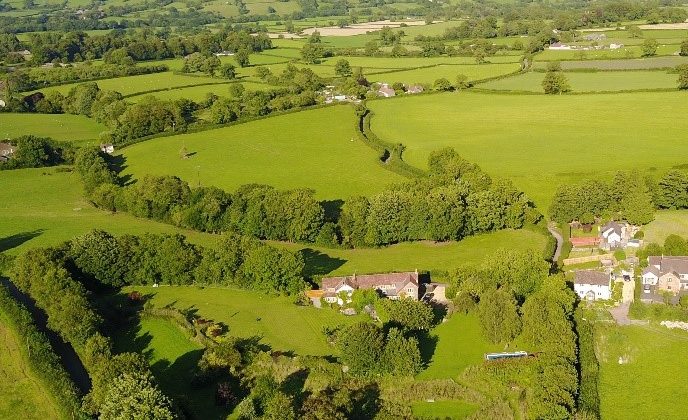
East Harptree parish stretches from the northern slopes of the Mendip Hills to the lowlands of the upper Chew Valley. It’s a diverse landscape which, whether you walk, cycle, drive or ride a horse around local lanes, is dominated by ‘green’ habitats; agricultural fields, hedgerows, unimproved grasslands, roadside verges, and pockets of woodland, all intersected by small ponds and streams, many lined with trees, that flow into the River Chew. Peeping over walls and hedges into private gardens around the village and more isolated houses adds to the variety and the pleasures of our local landscape.
These features are not just visually attractive. The network of green habitats, called ‘Green Infrastructure’ or GI, is tremendously important for wildlife, for people and for how we deal with the climate and nature emergency
For wildlife, the GI network offers a huge range of resources, providing food, shelter and somewhere to breed for many species of pollinating and other insects, as well as higher animals like mammals, birds, reptiles and amphibians. The natural environment is fundamental to human well-being. As the Covid restrictions in 2020/21 have shown, contact with nature and exercise in natural green spaces is hugely important to our psychological well-being and physical health. GI also has a key role to play in tackling the effects of climate change, for example by filtering harmful pollutants from the air and soaking up water to reduce flooding.
But, as elsewhere in the UK, many previously common habitats and species that support all of these ‘ecological services’ are in serious local decline, with some at risk of extinction. Other effects of the changing environment are clear to see, such as Ash dieback, which is already devastating local tree cover.
Local Action
Protecting and repairing the local GI network of corridors and stepping stones that sustain wildlife populations is therefore vital to how we protect nature, cope with climate change and ensure a healthy environment for future generations. The Parish Council Climate and Nature Emergency Working Group has taken stock of the parish GI network, and looked carefully at how different features link up as a necklace of GI habitats across the parish. It has produced a technical report which identifies specific actions that can be taken by the Parish Council, such as making sure that new development protects and adds to local habitat value and diversity, and others that can be taken by local residents, landowners and the community, such as East Harptree Environment Group’s (EHEG) hedgerow project at the village Playing Field and its wildlife gardening initiative. The East Harptree Green Infrastructure report focusses on high level actions. For more information about detailed projects and what individuals can do, contact EHEG at east.harptree.eg@gmail.com
There are few better examples of climate change heroes than bees and other invertebrates. We rely on them totally for our food crops and to brighten our natural environment.
A flourishing population of invertebrates is a barometer of the health of the environment.
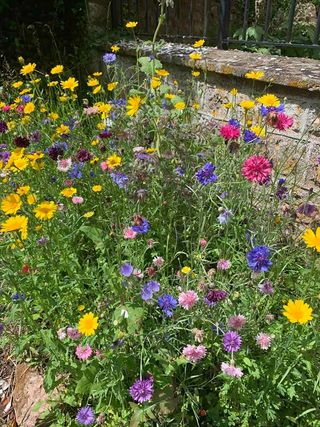
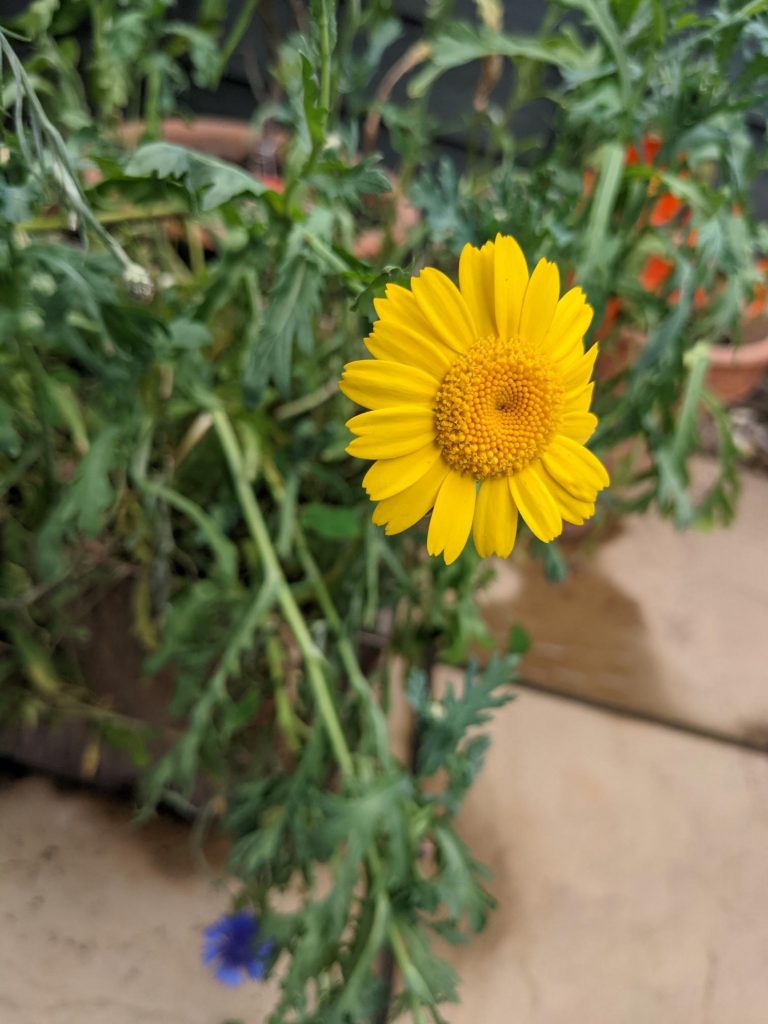
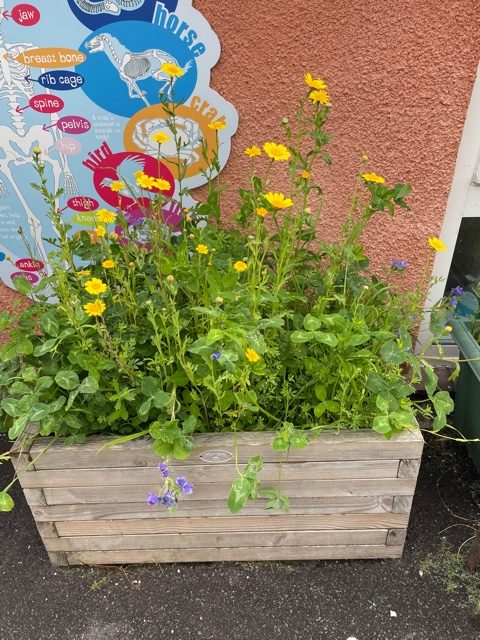
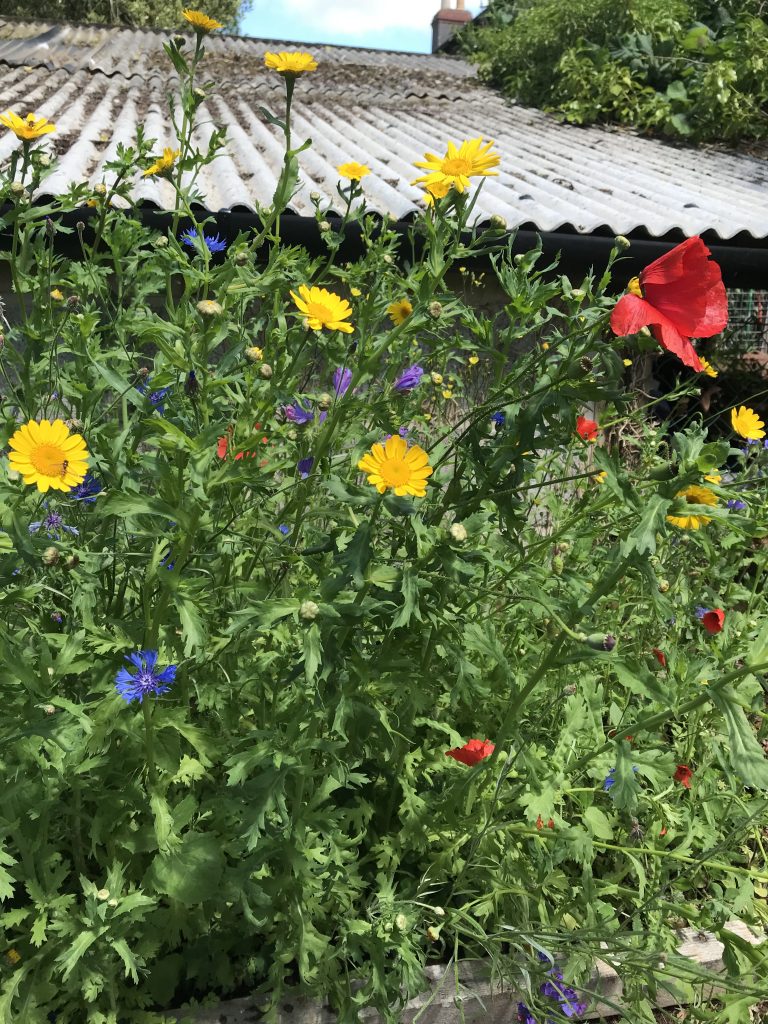
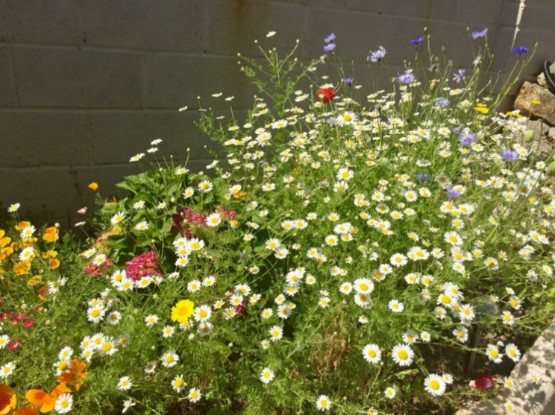
97% of native British wildflower habitat has been lost since World War 2. Wildflower habitats are where bees and butterflies make their lives. With your help we can re-create these lost habitats
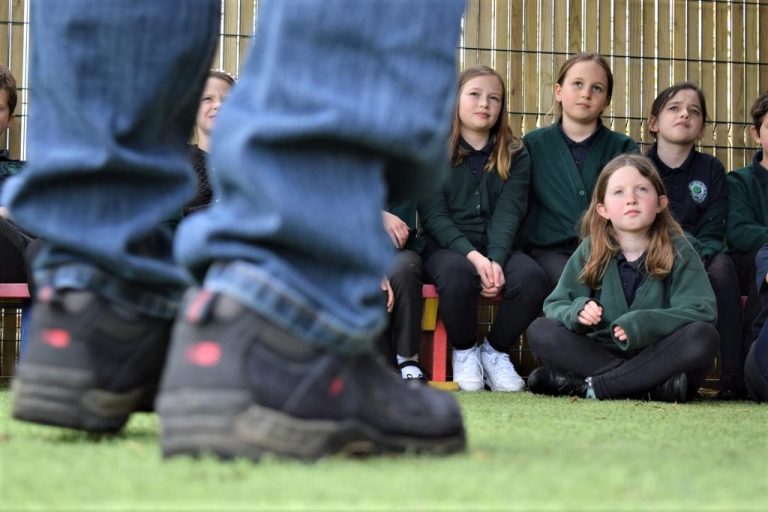
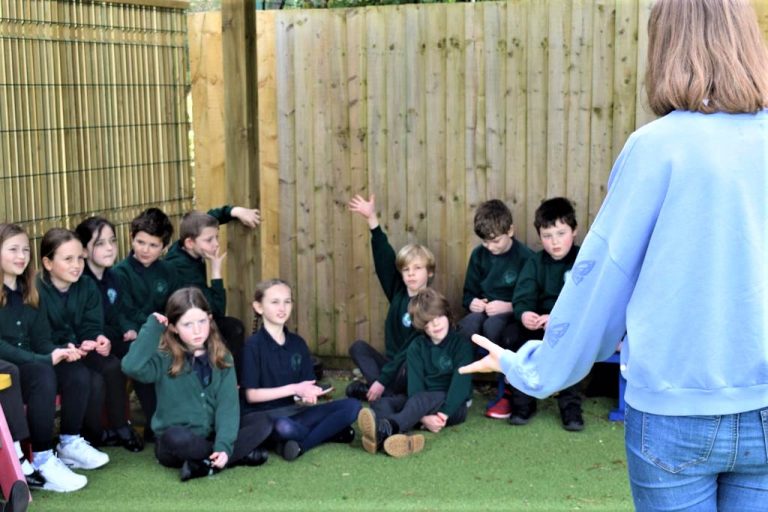
In March the first stage of the project will begin with the involvement the children of East Harptree Primary School. Phoebe Thomas will give the children a talk about climate change and each child will be given a packet of wildflower seeds. Phoebe is an ex-pupil and a member of the Chew Valley School Climate Change Group. This is scheduled for the 18th March.
The Competition
Each child will also receive an information sheet which will detail how to sow their seeds and how the competition will work.
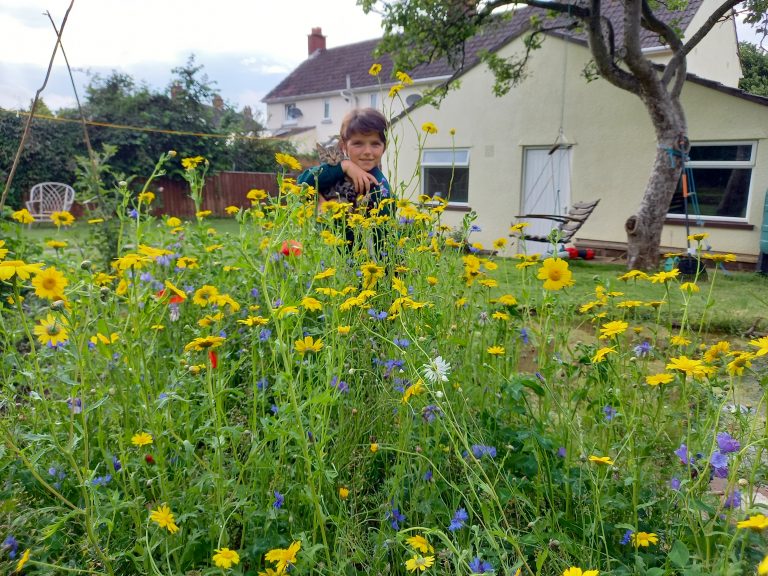
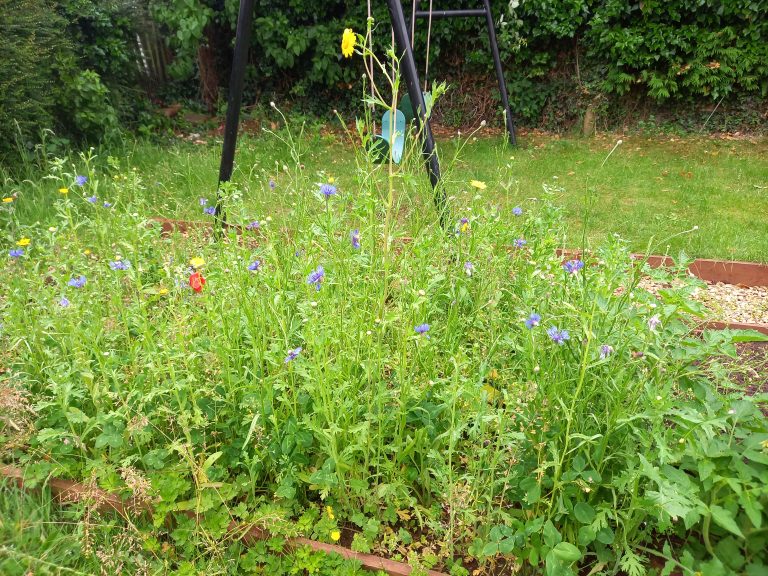
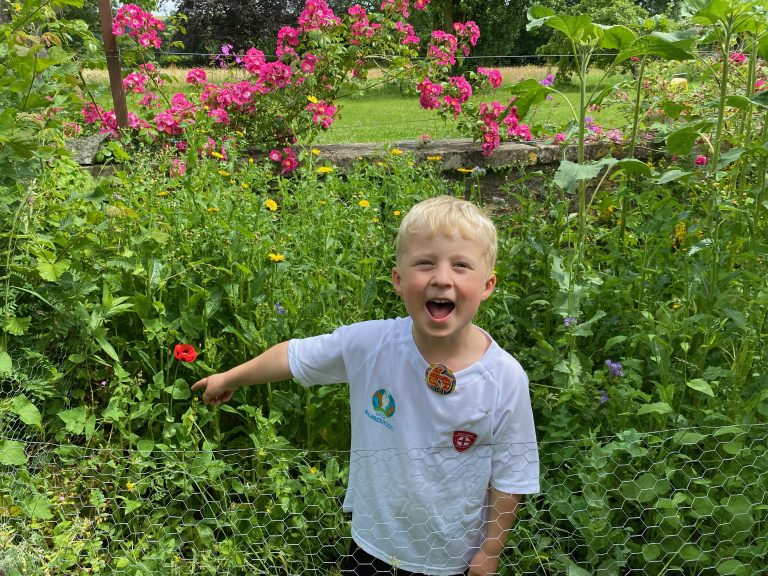
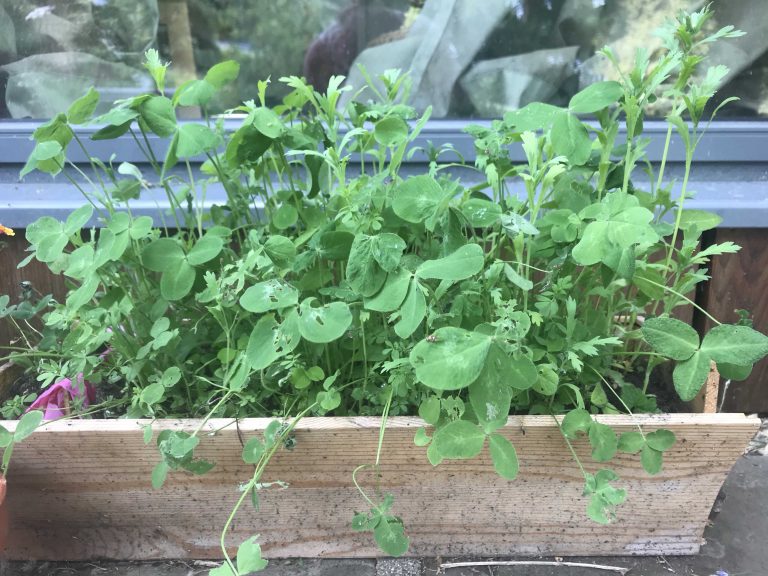
The seeds can be planted in their gardens, on verges or in pots. Once the seeds have flowered in May – June, the children will be asked to submit a photo of their wildflowers to the Parish Council website who will post all entries. The website will also signpost the Climate Change Report drawn up by villagers for villagers. This will be further enhanced by the inclusion of experts’ details – people who can help to answer your questions on environmental matters or how villagers can become more involved.
The wildflower photos will be judged by Jane Bailey and Steve Thomas and the winning entries awarded prizes at the East Harptree flower show in September. There will also be a dedicated Climate Change stand at the Flower show to answer people’s questions.
September
Following the Flower Show there will be an opportunity for everyone to be involved in a community effort to plant wildflower seed in the following initial three areas:
- The Waldegrave car park
- The road verge in Water Street
- The road verge in Townsend
All of these sites will require a considerable degree of groundwork as the wild seed needs to be planted on bare earth.
Thanks
There are many people that we would like to thank for their input, but a special mention should go to Cllr David Wood who has talked to Parks and Leisure (BANES) as they have donated a bag for life full of meadow seeds towards the project.
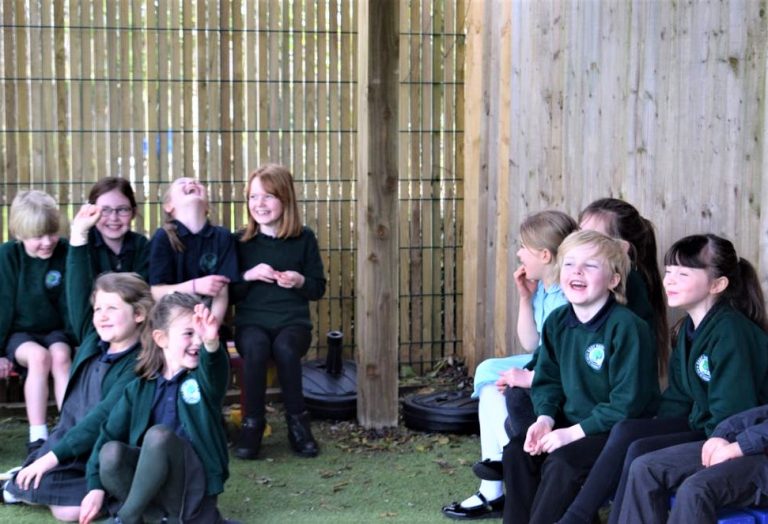
On March 18th every child at East Harptree Primary School, was given a packet of wildflower seeds to sow in the village flower power competition. They also received a talk by Phoebe Thomas, an ex pupil about the activities of the climate change club at their local comprehensive school, Chew Valley school. A good time was had by all!
We look forward to seeing the results of their efforts in May – June when we hope to show pictures on this site of what they have managed to grow!
Documents
-
20220326_EHPC-CNEWG_Final-Report_Energy_FV3.Boiler-upgrade_VAT-removal_update_do…

-
Food-Research-Topic-Paper-EHPC-CNEWG
-
Waste-Recycling-Research-Topic-Paper-EHPC-CNEWG
-
CVAFCNEW-BSIP-proposal-for-2-new-bus-routes-in-the-Chew-Valley-1
-
East-Harptree-Sustainable-Transport-Survey-July-2022-Master-1
-
Transport-Research-Topic-Paper-EHPC-CNEWG
-
EVs-paper_EH
-
Green-Infrastructure-Research-Topic-Paper-EHPC-CNEWG
